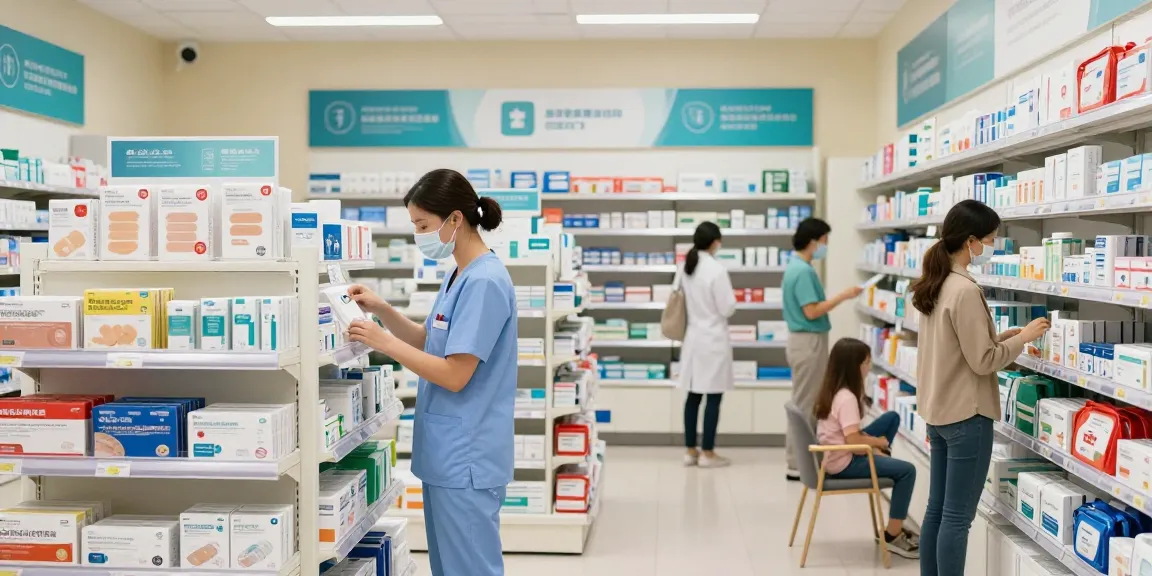
Understanding the Importance of Quality Medical Supplies
In the healthcare sector, quality is paramount, and this holds particularly true for medical supplies. The right medical supplies can significantly impact patient outcomes, streamline operations, and enhance the overall quality of care. As we approach 2026, the demand for innovative and reliable medical supplies is expected to soar. Organizations looking to maintain competitive advantages must understand the diverse range of medical supplies available and the best practices for sourcing and managing these essentials. When exploring options, medical supplies offers comprehensive insights into what is available in the market today.
Why Medical Supplies Are Critical for Healthcare
The significance of medical supplies cannot be overstated. These items serve as the backbone of patient care, from everyday consumables like gloves and syringes to critical components like diagnostic kits and surgical instruments. Healthcare providers depend on quality medical supplies to ensure safety, effectiveness, and adherence to protocols. For instance, during emergencies, the timely availability of necessary supplies can be a matter of life and death.
Moreover, the quality of medical supplies directly influences patient trust and satisfaction. Patients are more likely to have positive experiences when they are treated with high-quality, reliable products. Not only does this improve their health outcomes, but it can also enhance the reputation of the healthcare provider.
Types of Medical Supplies You Should Know
Medical supplies can be broadly categorized into several types:
- Consumables: These are items intended for single use, such as bandages, gloves, and syringes.
- Durable Goods: This category includes items that are used over a longer time frame, such as patient monitors, wheelchairs, and stretchers.
- Diagnostic Supplies: These are essential for testing and evaluation, including blood test kits and imaging supplies.
- Surgical Instruments: These are critical for various medical procedures, comprising scalpels, forceps, and retractors.
- Personal Protective Equipment (PPE): Essential for the safety of healthcare workers, this includes masks, gowns, and face shields.
Regulations and Standards Guiding Medical Supplies
The manufacture and distribution of medical supplies are strictly regulated to ensure safety and efficacy. Organizations like the FDA in the United States and Health Canada impose guidelines that manufacturers must adhere to. This includes compliance testing, quality control, and regular inspections to maintain high standards. Understanding these regulations is essential for healthcare providers to ensure they source supplies that meet legal safety requirements.
Top Trends in Medical Supplies for 2026
Innovations in Medical Supply Technology
The realm of medical supplies is rapidly evolving, with technology playing a crucial role in shaping future offerings. Innovations like smart devices, which monitor patient vitals in real time, are becoming more prevalent. These devices can alert healthcare professionals to any changes in a patient’s condition, allowing for quicker interventions. Moreover, the integration of artificial intelligence (AI) is enhancing diagnostics and treatment planning, making healthcare more efficient.
Sustainable Practices in Medical Supply Manufacturing
As global awareness of environmental issues rises, there is a growing trend towards sustainability in the manufacturing of medical supplies. Companies are exploring eco-friendly materials and processes that reduce waste and carbon footprints. For instance, biodegradable packaging and reusable supplies are gaining traction, often appealing to healthcare facilities aiming for greener operations. This shift not only benefits the environment but can also lead to cost savings in the long run.
Patient-Centric Medical Supply Solutions
In 2026, healthcare is expected to become even more patient-centric. Medical supplies are being designed not just for functionality but with the end-user in mind. This includes ergonomically designed devices that enhance usability for patients and caregivers alike. Enhancements in telemedicine also mean that supplies will increasingly cater to remote monitoring and at-home care, providing patients with greater autonomy and comfort in managing their health.
Best Practices for Sourcing Medical Supplies
Evaluating Suppliers: What to Look For
Choosing the right supplier for medical supplies is critical for healthcare providers. It’s essential to evaluate potential vendors thoroughly, considering factors such as quality certifications, reliability, and product range. Suppliers should be able to demonstrate compliance with relevant regulations and have a proven track record in the industry. References from other healthcare providers can also offer invaluable insights into a supplier’s reputation.
Cost-Effectiveness and Quality Balance
When sourcing medical supplies, healthcare providers must strike a balance between cost and quality. While budget constraints are always a consideration, sacrificing quality for lower costs can lead to detrimental outcomes. Investing in higher-quality medical supplies often results in better patient care and can reduce long-term costs associated with complications arising from subpar products.
Building Long-Term Relationships with Suppliers
Establishing strong, long-term relationships with suppliers can provide numerous advantages. A reliable supplier can offer insights into new products, advancements in technology, and potential cost savings. Regular communication and trust can lead to favorable terms and assurances regarding product availability, which is critical in maintaining consistent patient care.
Implementing Effective Medical Supply Management
Inventory Management Techniques for Medical Supplies
Efficient inventory management is crucial for healthcare facilities to minimize waste and ensure they are well-stocked with essential supplies. Techniques such as Just-in-Time (JIT) inventory can reduce holding costs and enhance supply chain efficiency. Implementing inventory management software can also help track usage patterns, enabling better forecasting and planning.
Training Staff on Medical Supply Usage
All healthcare providers must ensure their staff are adequately trained in using medical supplies. Comprehensive training programs should include not just operational instructions but also education on the importance of quality assurance, safety, and compliance with regulations. Ongoing training sessions can foster a culture of safety and awareness, benefiting both staff and patients.
Utilizing Technology for Supply Chain Efficiency
The rise of digital tools has transformed supply chain management in healthcare. Automated systems can streamline ordering processes and enhance tracking capabilities. Blockchain technology is also emerging as a method for ensuring transparency and reliability in the supply chain, helping to prevent counterfeit products and ensuring that all supplies are sourced from legitimate vendors.
Future of Medical Supplies: Forecasting Trends and Needs
Preparing for Changes in Regulatory Environment
As technology and market demands evolve, so too will regulations governing medical supplies. Healthcare providers must stay informed about changes in laws, standards, and best practices. Engaging with industry organizations and following regulatory bodies will be essential for remaining compliant and prepared for future shifts.
Emerging Markets and Opportunities in Medical Supplies
The landscape for medical supplies is expanding, particularly in emerging markets. As populations in these regions grow and demand for healthcare services increases, opportunities for suppliers and manufacturers will become more pronounced. Healthcare providers in developed markets may also look to expand their offerings or partner with organizations in these regions to access new supply chains and innovative products.
How to Stay Ahead of Competitors in Medical Supply Offerings
In a competitive market, healthcare providers can maintain an edge by continuously evolving their offerings and ensuring they stay attuned to industry trends. Regularly assessing the supply chain, investing in new technologies, and being responsive to patient needs will position organizations to adapt effectively. Collaboration with suppliers to develop customized solutions can also enhance service offerings.
What are the benefits of investing in quality medical supplies?
Investing in quality medical supplies yields numerous benefits, including improved patient outcomes, enhanced safety, and increased operational efficiency. Quality supplies can reduce complications, thereby minimizing additional costs associated with adverse events. Moreover, healthcare providers that prioritize high standards often see greater patient satisfaction and loyalty.
How should healthcare providers choose suppliers?
Healthcare providers should evaluate suppliers based on quality certifications, product range, reliability, and cost-effectiveness. Checking references and conducting thorough assessments can help organizations build a robust supply chain that meets both current and future needs.
What trends should we expect in medical supply technology?
Expect advancements in areas like telehealth, AI-driven diagnostics, and smart medical devices, which will all contribute to more efficient and effective patient care. As technology continues to grow, medical supplies will also increasingly be integrated with digital health solutions to enhance overall healthcare delivery.
How can small clinics effectively manage their medical supplies?
Small clinics can benefit from establishing efficient inventory management practices, leveraging technology for ordering, and forming partnerships with suppliers that understand their unique needs. Utilizing cloud-based inventory systems can help track supplies and streamline operations while ensuring they are always prepared to meet patient demands.
What are the best practices for inventory management?
Best practices for inventory management include regular audits of stock, utilizing a first-in, first-out (FIFO) system, and implementing a robust inventory management software. Staff training on supply usage and management is also essential for maintaining optimal levels and preventing shortages or excesses.